
Is your AC unit not turning on when you want it to? Or does it fail to cool your home efficiently?
We understand that a broken A/C can lead to discomfort, especially during the hottest months of the year.
Before calling in a service professional, it’s always a good idea to try some common AC fixes to see if you can troubleshoot the issue yourself. A quick AC check-up can also help you better understand your air conditioning system and how to maintain it properly.
Taking a few preliminary troubleshooting steps can help you identify the issue and potentially save you time and money on an unnecessary service call.
In this blog, we will walk you through the process of how to troubleshoot and fix most minor AC issues yourself before calling a professional cooling contractor for a repair service.
AC Not Working: Follow this 7-Step Troubleshooting
We’ll cover how to check the air filter, check for refrigerant leaks, clean condenser coils, examine fan belts, adjust thermostat settings, inspect electrical connections, and test the compressor. By following these steps closely, you should be able to identify and solve the problem with your air conditioning unit on your own.
1. Check Your Thermostat Settings
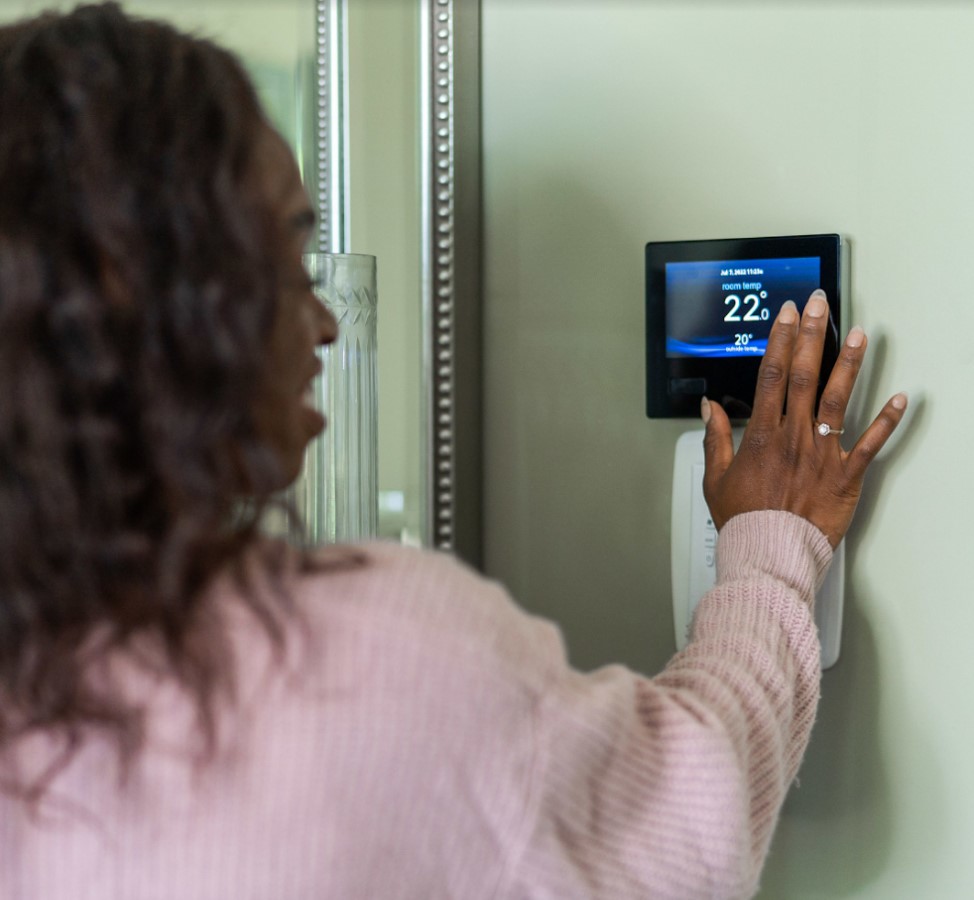
Before you panic and assume your air conditioner unit has broken down, take a moment to check the thermostat. Although it seems simple, incorrectly set thermostat settings are responsible for many common air conditioning issues.
Ensure that the thermostat switch is set to “cool” instead of “heat” or “off.” Additionally, consider if the desired temperature is at least three to five degrees cooler than the current room temperature. If your thermostat is set to “auto,” the air conditioner will only turn on once the room temperature reaches the desired level.
Also, check the batteries on your thermostat. Dead or weak batteries can cause irregular thermostat function, thus affecting the air conditioner’s proper functioning. Replace the batteries every year or as needed and see if that resolves the issue.
2. Inspect Your Circuit Breaker
A tripped circuit breaker can also result in a non-functioning air conditioner. Locate your home’s circuit breaker panel and check if any breakers have been tripped. If you find any, flip the breaker switch to the “off” position and then back to the “on” position. Give your air conditioner a few minutes to restart, and check if it’s working correctly.
Bear in mind that a continuously tripping breaker could indicate a bigger electrical issue. Do not attempt to handle this on your own. If your circuit breaker trips again after resetting it, it’s time to call an electrician or a professional HVAC technician.
3. Clean or Replace Your Air Filter
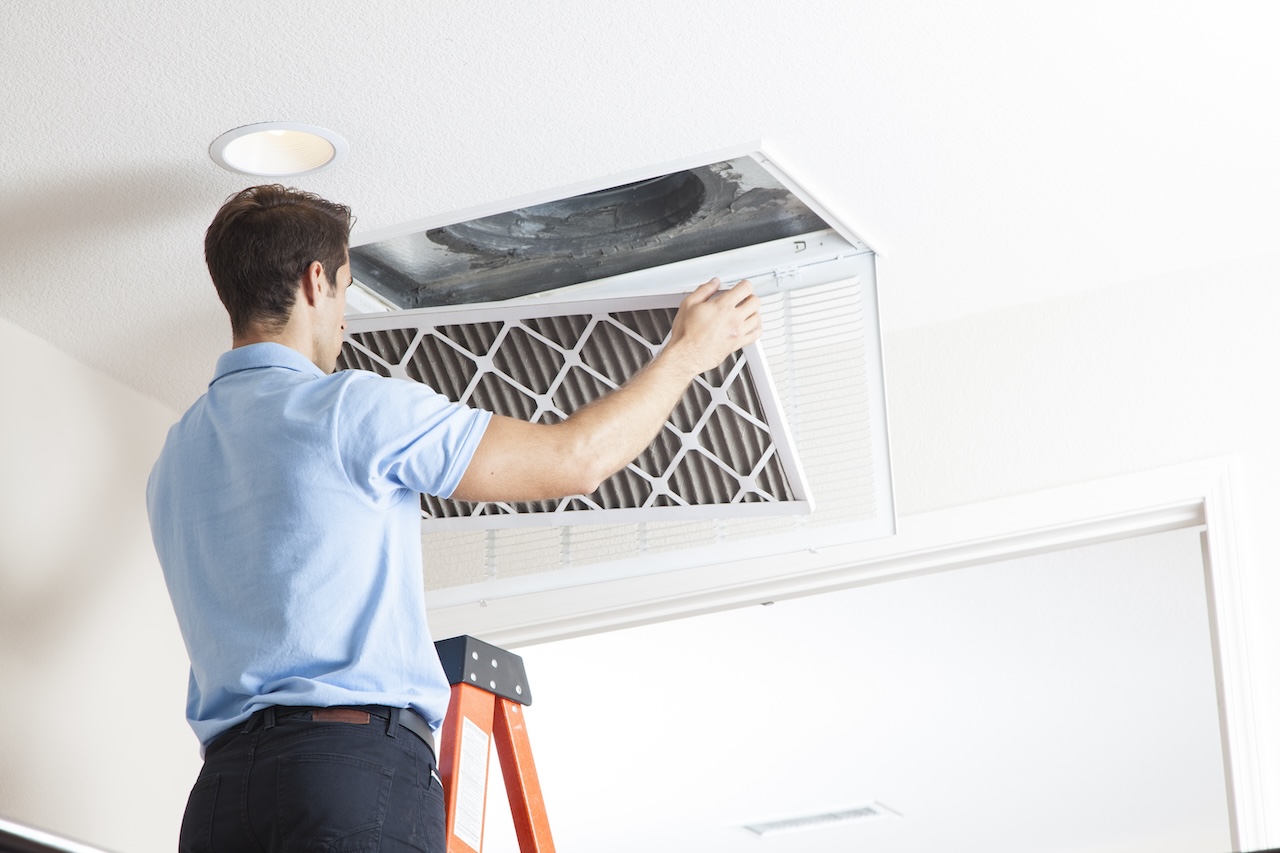
A dirty air filter can wreak havoc on your air conditioner’s performance, causing inadequate cooling or even causing the unit to shut down. Inspect your air filter to determine if it’s dirty or clogged, and replace or clean it (depending on the type) as necessary. Ideally, you should check your air filter every month and clean or replace it every three months to ensure optimal performance and indoor air quality.
4. Verify That Your Air Vents Are Open and Unobstructed
Closed or obstructed air vents can limit the airflow and negatively impact your air conditioner’s performance. Walk through your home and make sure that all air vents are open and free of obstructions – such as furniture, curtains, or rugs. Additionally, ensure that return vents (the larger vents usually found in hallways or common areas) are also open and unobstructed to promote proper airflow.
5. Clean Your Outdoor Unit

A dirty or obstructed outdoor unit can lead to several problems, including poor performance, high energy bills, and even AC system failure. Check your outdoor air conditioning unit for debris, leaves, or dirt that may be reducing its efficiency. To clean the unit, first, turn off the power at the circuit breaker, and then gently hose down the unit to remove debris. Be cautious not to bend the fins, as this could worsen the issue. In general, keep the area surrounding the outdoor unit clear to prevent any future obstructions.
6. Check for Frozen Coils
A dirty filter or a refrigerant leak can lead to frozen evaporator coils, which usually results in poor cooling performance or complete system shutdown. If you suspect a frozen coil, turn off your air conditioner and allow time for the coils to thaw. Most often, a frozen coil is a clear indication of a refrigerant leak.To address this issue, it is crucial to call in a professional HVAC technician to inspect your system for leaks and restore the refrigerant levels.
7. Ensure the Drain Line Is Clear
A clogged drain line can cause your air conditioner to shut down due to the built-in safety features that prevent overflows. To prevent this issue, periodically inspect and clean your unit’s drain line. A combination of warm water and vinegar can help dissolve any buildup within the drainage pipe. If you suspect a more severe clog, contact a professional HVAC technician for assistance.
Remember, if you are ever unsure about completing a step or have questions about what action to take next, contact the manufacturer of your air conditioner for further advice. They can provide you with the information and guidance you need to get your air conditioner running properly again.
If after taking all these steps, your air conditioner still isn’t cooling properly, it’s time to call a professional. Feel confident that you have done everything in your power to troubleshoot the unit and will be able to provide any necessary technical information to the service technician.
Conclusion
Triaging common air conditioning issues can be a gratifying and cost-effective endeavor. By following these seven simple steps before calling for a professional air conditioner service, you may be able to resolve problems quickly and maintain a cool and comfortable home environment.
With regular maintenance and care, you can keep your air conditioner running efficiently for many years. For peace of mind, be sure to purchase an HVAC maintenance plan, which will cover any major repairs that you may need for your air conditioner. This way, if something goes wrong with your AC unit, you can have it repaired or replaced without having to pay out of pocket.
If, however, the problem persists or is more serious in nature, it’s best to call in an HVAC technician to inspect the unit and make any necessary repairs or replacements.
Custom Comfort ClimateCare offers the best AC repair in Barrie. If we can answer questions or be of service, please contact us.
FAQ
- How often should you check and replace your air filter?
Ideally, you should check your air filter every month and clean or replace it every three months to ensure optimal performance and indoor air quality.
- What can cause a frozen AC coil?
A dirty filter or a refrigerant leak can lead to frozen evaporator coils, which usually results in poor cooling performance or complete system shutdown. A frozen coil is a clear indication of a refrigerant leak.
- What should you do if your AC circuit breaker keeps tripping?
A continuously tripping breaker could indicate a bigger electrical issue. Do not attempt to handle this on your own. If your circuit breaker trips again after resetting it, it’s time to call an electrician or a professional HVAC technician.
- When should you call a professional HVAC technician for AC service?
If after taking all the troubleshooting steps, your air conditioner still isn’t cooling properly, it’s time to call a professional. For any major repairs or if you are unsure about completing a step, contact Custom Comfort ClimateCare at +1 (705)-722-5909 for assistance.
- How can you keep your AC running efficiently for years?
With regular maintenance and care, you can keep your air conditioner running efficiently for many years. Consider purchasing an HVAC maintenance plan for peace of mind, covering any major repairs you may need for your air conditioner.