
Regular preventive maintenance is crucial for ensuring your heating and cooling system runs without any hiccups. Don’t neglect regular HVAC maintenance to avoid unexpected system failures.
Knowing when to perform a system check-up will help make avoid costly repairs or replacements down the line.
As a leading provider of HVAC services in Barrie, Custom Comfort Home Services understands the importance of regular maintenance in keeping your heating, ventilation, and air conditioning systems in optimal condition.
In this blog, we’ll discuss preventive HVAC maintenance, as well as the best time to perform pre-season and seasonal maintenance.
Let’s get started!
Understanding Heating and Cooling Systems
Before we dive into maintenance, let’s take a brief look at the fundamentals of HVAC systems.
An Heating, Ventilation, and Air Conditioning (HVAC) system regulates temperature, humidity, and air quality in your home. The furnace or heat pump generates heat to warm you during the colder months; and the air conditioner releases heat in the summer. Ductwork provides a pathway for distributing hot or cold air; vents distribute air throughout the space, and the thermostat acts as the controller of the entire system.
Now that you know the basics about an HVAC system, let’s dive into preventive HVAC maintenance.
The Importance of Preventive HVAC Maintenance
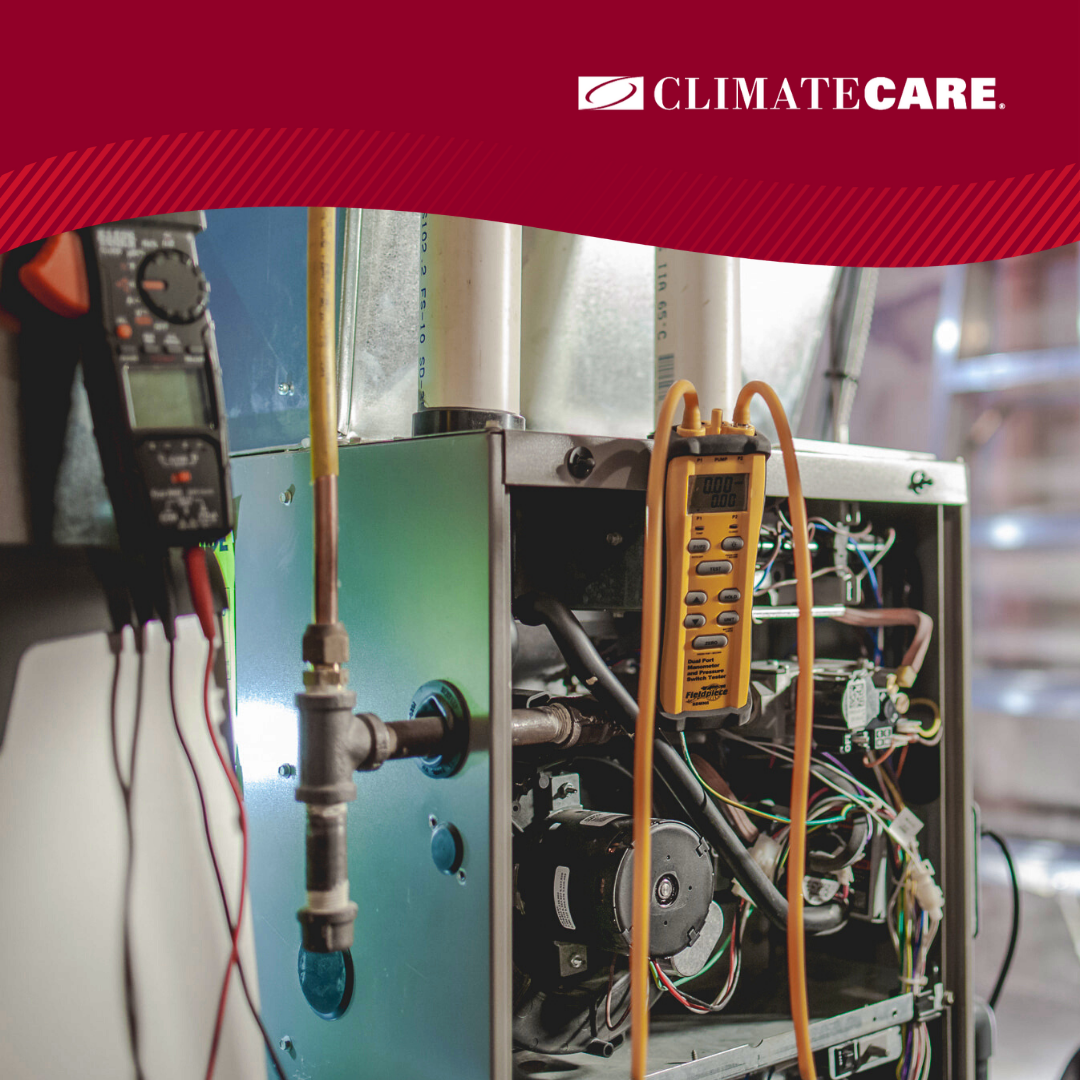
We cannot stress the importance of regular maintenance of your HVAC system enough.
Proper HVAC maintenance helps:
- Lower energy bills
- Extend the lifespan of your system, postponing expensive replacements
- Ensure that your HVAC system operates at its peak performance
- Provide maximum comfort and improved indoor air quality in your home
You can do some preventive maintenance yourself, such as regularly changing your system’s air filters and making some minor repairs to ductwork. But a heating and cooling technician should inspect and maintain your equipment as well.
Tasks a Heating and Cooling Technician Should Perform
When it comes to HVAC maintenance, certain tasks are best left to trained heating and cooling technicians. These licensed professionals possess the expertise and specialized tools necessary to perform comprehensive inspections, identify potential issues, and ensure the optimal functioning of your HVAC system. Here are some tasks that a heating and cooling technician should perform during a routine maintenance visit:
- Inspect and Clean the Condenser Coils: The condenser coils in your outdoor air conditioning unit are prone to dirt, dust, and debris buildup. Get a certified technician who can carefully inspect and clean these coils to ensure proper heat exchange and efficient cooling performance.
- Check and Lubricate Moving Parts: Fan motors and belts, require regular lubrication to reduce friction and prevent premature wear and tear. A good technician will identify any components in need of lubrication and apply the appropriate lubricants.
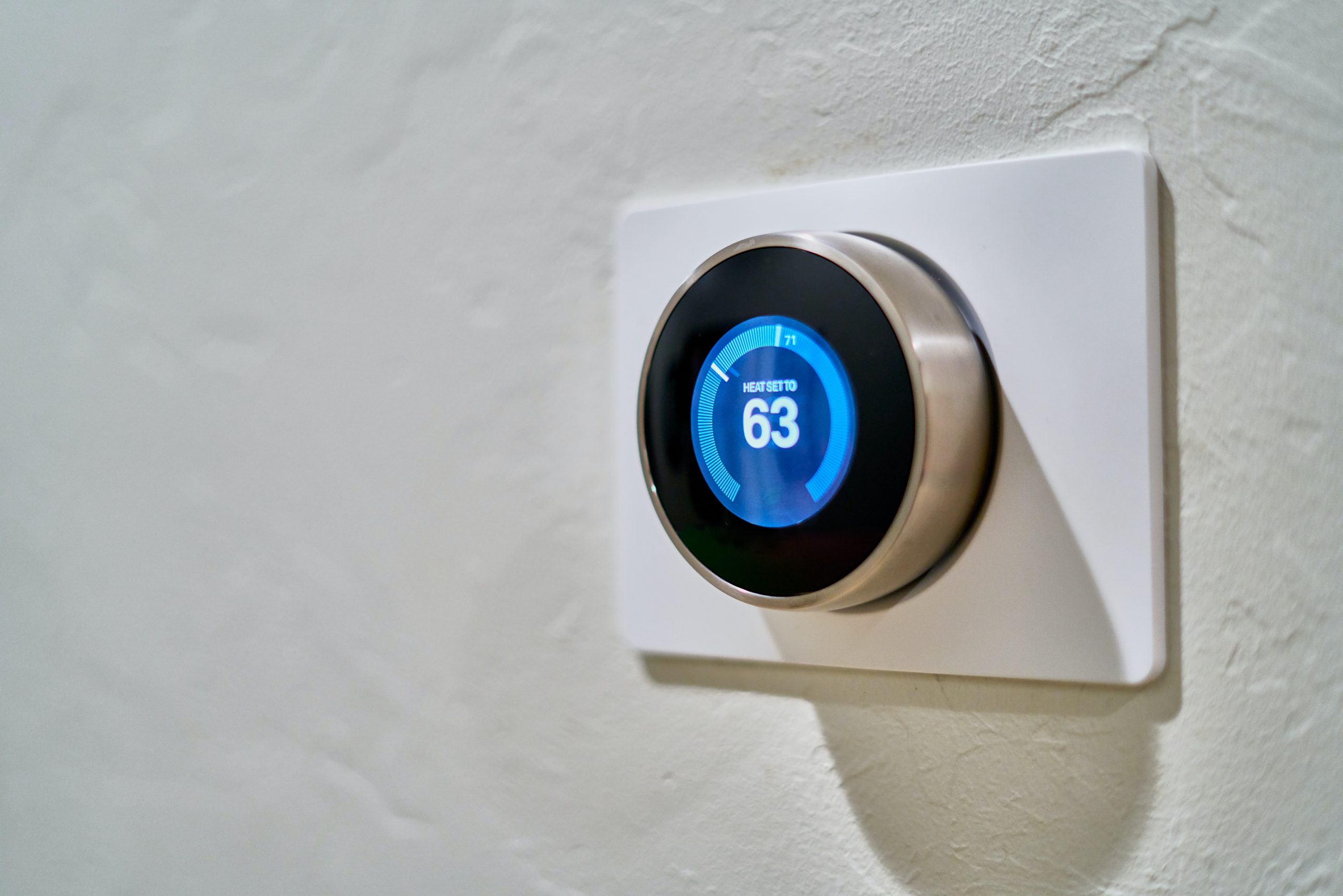
- Test and Calibrate Thermostat: An HVAC technician should check your thermostat’s accuracy and make any necessary adjustments to ensure optimal performance and energy efficiency.
- Inspect Electrical Connections: Your chosen HVAC technician should examine all electrical connections, tighten any loose connections, and ensure proper voltage and current flow. They should help you avoid system malfunctions or even eliminate safety risks.
- Check Refrigerant Levels: Most HVAC technician will measure the refrigerant levels of your HVAC system and recharge if necessary.
- Clean and Inspect Blower Components: A technician should clean the blower components, including the motor, fan blades, and housing, to maintain proper airflow throughout your home.
- Inspect and Clear Drainage System: HVAC systems produce condensation, which is typically drained away through a dedicated system. You must ask your technician to inspect the drainage system, including drain lines and pans, to avoid to leaks or water damage.
- Test Safety Controls: HVAC systems are equipped with various safety controls to protect against hazards such as overheating or gas leaks. A technician will test these safety controls to ensure they are functioning correctly and providing the necessary protection.
- Inspect and Adjust Gas Connections (if applicable): For homes with gas-powered furnaces or boilers, a technician will inspect gas connections for leaks and ensure proper combustion efficiency. They will also verify that the flue and exhaust systems are clear and functioning correctly.
- Provide Expert Recommendations: Based on their assessment of your HVAC system, a technician will provide you with expert recommendations for any necessary repairs, upgrades, or improvements. They can offer guidance on energy-efficient options, indoor air quality enhancements, and system enhancements tailored to your specific needs.
Professional Preventive HVAC Maintenance
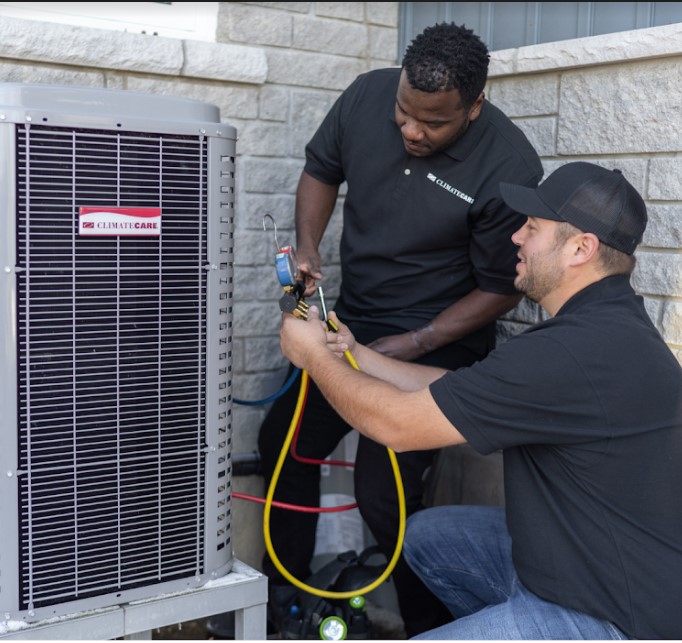
We recommend to have your HVAC system professionally serviced at least once a year..
At Custom Comfort Home Services, our professional heating and cooling technicians perform in-depth insptections and tune-ups of your systems. With preventive maintenance, you can ensure that your HVAC system operates at its best, and at maximum efficiency, comfort, and longevity.
Here are some key benefits of professional HVAC maintenance:
1. System and Energy Efficiency
Professional cleaning, lubrication, and calibration can significantly enhance the efficiency of your HVAC system, leading to reduced energy consumption and lower utility bills.
2. Early Problem Detection
A skilled technician can identify and rectify minor issues before they escalate into major, costly repairs. This proactive approach can save you from unexpected breakdowns and inconveniences.
3. Extended Lifespan
When your HVAC system is regularly serviced, you can extend the lifespan of your HVAC system.
4. Improved Indoor Air Quality
HVAC technicians can clean and inspect your system thoroughly, removing dirt, allergens, and pollutants that may compromise your indoor air quality.
Pre-Season Maintenance vs. Seasonal Maintenance: What’s the Difference?
Let’s explore the key differences between pre-season maintenance and seasonal maintenance:
Pre-Season HVAC Maintenance
Pre-season maintenance is performed before the start of a specific season, whether it’s the cooling season or the heating season. The primary goal is to prepare your HVAC system for the upcoming demands of that particular season.
Here are some key aspects of pre-season maintenance:
- System Inspection: To assess the overall condition of your HVAC system, check for any signs of wear and tear and ensure all components are in proper working order.
- Cleaning and Lubrication: Remove dird, debris, and buildup from all components of your HVAC unit, such as coils, fans, motors, and belts. This will ensure smooth operation and maximize energy efficiency.
- Filter Replacement: Air filters are typically replaced or cleaned during pre-season maintenance. This will help promote better indoor air quality and prevent dust and allergens from circulating throughout your home.
- System Calibration: Thermostat and other control settings need to be calibrated to ensure accurate temperature control and proper functioning of the system.
- Safety Checks: Pre-season maintenance includes inspecting and testing safety features, such as carbon monoxide detectors, gas lines (if applicable), and emergency shutdown mechanisms. This helps identify any potential safety hazards and ensures your system operates safely.
Seasonal HVAC Maintenance
Seasonal maintenance focuses on the routine upkeep of your HVAC system throughout the cooling and heating seasons. While pre-season maintenance prepares the system for a specific season, seasonal maintenance is performed periodically during that season to maintain optimal performance. Here are some key aspects of seasonal maintenance:
- Cleaning and Inspection: Regular cleaning and inspection of components like coils, fans, ductwork, and vents are part of seasonal maintenance. This helps maintain system efficiency, prevent clogs or blockages, and address any issues that may arise during the season.
- Performance Testing: Seasonal maintenance involves testing the system’s performance, including temperature control, airflow, and humidity levels. This ensures that the system is functioning properly and delivering the desired comfort levels.
- Refrigerant Levels and Pressure Checks: For air conditioning systems, seasonal maintenance includes checking refrigerant levels and pressure to ensure optimal cooling capacity. Adjustments or recharging may be necessary to maintain proper refrigerant levels.
- Tune-Ups and Adjustments: Seasonal maintenance may involve tune-ups and adjustments to optimize the system’s performance. This includes fine-tuning settings, balancing airflow, and ensuring proper combustion in heating systems.
- Addressing Any Emergent Issues: Seasonal maintenance provides an opportunity to address any emergent issues that may have developed since the last maintenance visit. This proactive approach helps prevent minor problems from escalating into major malfunctions.
By combining pre-season maintenance to prepare for specific seasons and seasonal maintenance to maintain performance throughout the year, you can ensure that your HVAC system operates efficiently, minimizes energy consumption, and provides reliable comfort in your home.
When to Schedule HVAC Maintenance
Scheduling seasonal maintenance for your HVAC system at the appropriate times is essential to ensure optimal performance and efficiency.
Based on your home heating and cooling system, follow this general guideline to schedule maintenance:
- AC System: It’s best to schedule maintenance for your air conditioning system in the spring before the hot summer months begin–April is the best time for an AC maintenance. This way you will have ample time to address any issues before the summer heat.
- Heating System (Furnace or Boiler): For heating systems, it’s advisable to schedule maintenance in the fall, particularly in August, before the colder winter weather sets in. You want to ensure your furnace or boiler will be in top condition throughout the winter season.
What Does HVAC Pre-Season and Seasonal Maintenance Include?
Depending on the type of system you have, here’s a breakdown of the key maintenance tasks for each HVAC system:
1. Furnace Maintenance
Alt text: HVAC technician inspecting furnace filter.
- Thoroughly inspect and clean the burners, ensuring they are free from dirt, dust, and debris.
- Check and adjust the ignition system for proper operation.
- Inspect and clean the blower motor and fan assembly.
- Lubricate moving parts as needed.
- Check the heat exchanger for any signs of damage or cracks.
- Test safety controls, including the limit switch and flame sensor.
- Verify gas pressure and connections for safe operation.
- Replace or clean the air filters.
2. Air Conditioning Maintenance
- Clean the condenser coils to remove dirt and debris.
- Check and tighten electrical connections.
- Inspect the fan motor and blades for proper operation.
- Clean or replace the air filters.
- Verify refrigerant levels and adjust if necessary.
- Test and calibrate the thermostat.
- Check and clean the condensate drain line.
- Verify the overall performance and efficiency of the system.
3. Boiler Maintenance
- Inspect and clean the burners, ensuring they are free from dirt and debris.
- Check and adjust the ignition system for proper operation.
- Inspect and clean the heat exchanger.
- Verify water pressure and adjust if necessary.
- Test safety controls, including the pressure relief valve and temperature sensors.
- Clean or replace the air filters.
- Lubricate pumps and motors as needed.
At Custom Comfort Home Services, our technicians conduct HVAC preventive maintenance following a multi-point quality standards checklist. This meticulous approach enables them to swiftly catch small problems before they escalate and become irreparable.
Our WeCare Protection Plan not only guarantees high-performing HVAC equipment but also provides peace of mind. With HVAC maintenance plans, you get an annual tune-up and a performance warranty. You can rest easy knowing your HVAC system is in top-notch condition.
If you have any questions about preventive care or our annual plan, please don’t hesitate to contact our HVAC professionals in Barrie. We’re always happy to help our neighbors in the Barrie area.