
If you own an alternative heating system, like a heat pump, you can ensure the efficient operation of that system by understanding how heat-pump thermostats work. Because heat pumps function differently than furnaces, to maximize comfort and savings, using the thermostat correctly is essential.
Heat pumps are designed to consistently deliver efficient heat, always maintaining a steady temperature in your home. They’re not built to recover quickly from drastic setbacks in temperature though. Lowering the thermostat too far overnight can turn on the system’s back-up heating source in the morning when the heat pump would have accomplished the task more efficiently. Limit the day-time to night-time change to 2°C or less.
Also note that in colder climates, heat pumps work effectively to their balance point in a dual fuel system to about -5 to 0°C. Below this, the system sends a signal to switch on the backup heating system.
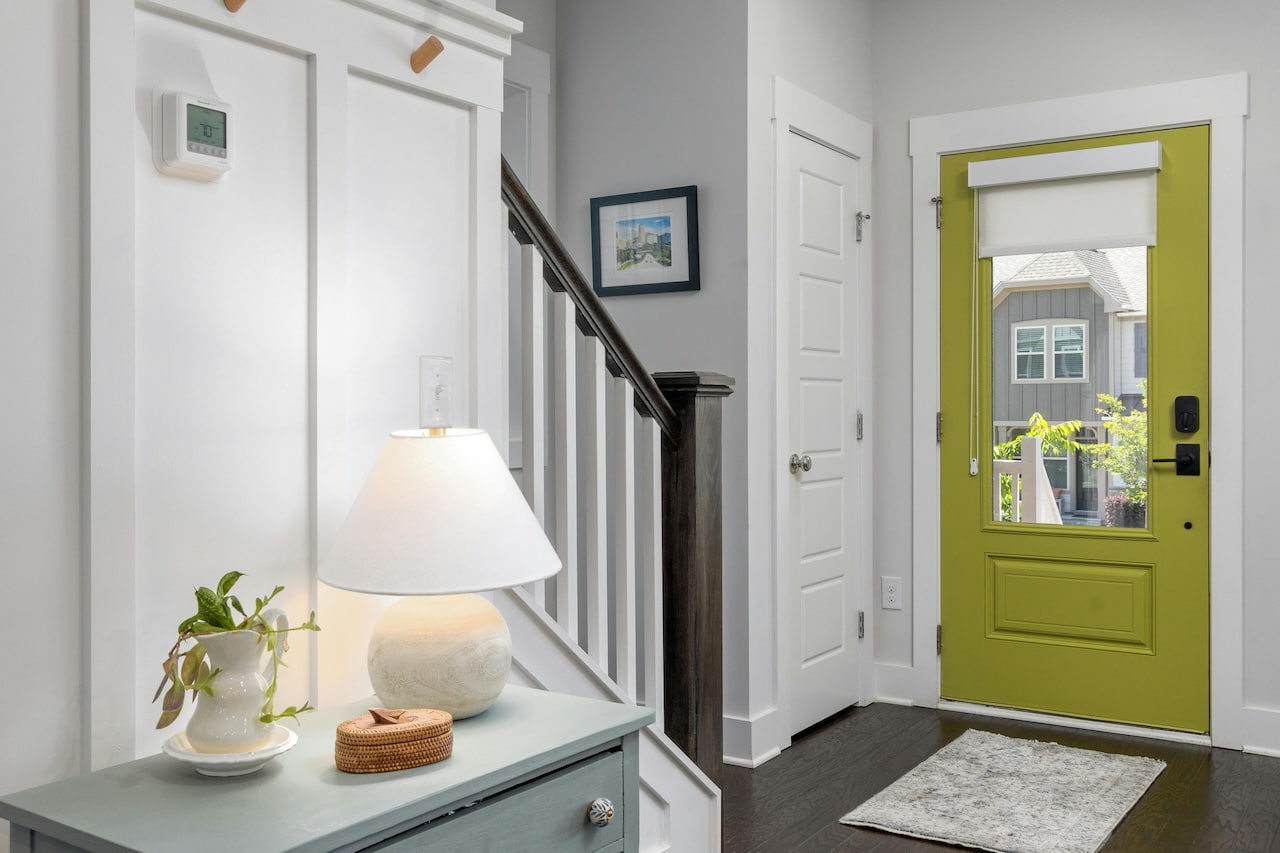
If you prefer to schedule temperature setbacks, ensure that your heat pump system comes with a compatible programmable thermostat. Look for one specifically designed for heat pumps. Some heat pumps have lockout capabilities that prevent the secondary heating system from operating during setbacks and avoid wasting energy.

For optimal results, use these guidelines for heat-pump thermostats to ensure maximum return on your investment. For help operating or selecting a heat pump, contact the experts at Custom Comfort Home Services. Serving Barrie and Simcoe Counties since 1988.
Frequently Asked Questions (FAQs)
- Why can’t I turn the thermostat on a heat pump back as far as I would on a furnace?
Heat pumps don’t recover as well from large setbacks as a heat pump heats the air at a lower air temperature than a high efficiency furnace. Thus if you setback your thermostat more than 2°C, it may turn on the less efficient furnace instead of using the heat pump.
- What’s a balance point, and why should I care about the heat pump?
It’s the temperature at which the heat pump operates without requiring backup heat. Operating the house above this balance point provides optimal efficiency. The balance point of most systems in Canada is determined by the existing distribution system and how much air flow that can pass through the existing ductwork. With most systems today, if the existing ducting is not changed, the heat pump balance point is between -5 to 0°C.
- What thermostat is best for a heat pump?
A heat pump-specific programmable thermostat that contains recovery control is best. It does not consume the usage of unnecessary backup heat and gently varies temperatures to provide the highest energy savings.
- Can a standard thermostat harm my heat pump?
While it won’t damage your heat pump, a regular thermostat might not optimize its efficiency, potentially leading to higher energy bills and unnecessary wear on the system.
- How do I know if my thermostat has recovery control?
Check the thermostat’s specifications or user manual. Recovery control features are usually labeled, or you can consult a professional for advice.