
Each year, hundreds of people both old and young become seriously ill or die from Carbon Monoxide (CO) poisoning, known as the “silent killer” for its lack of odour, taste, or colour.
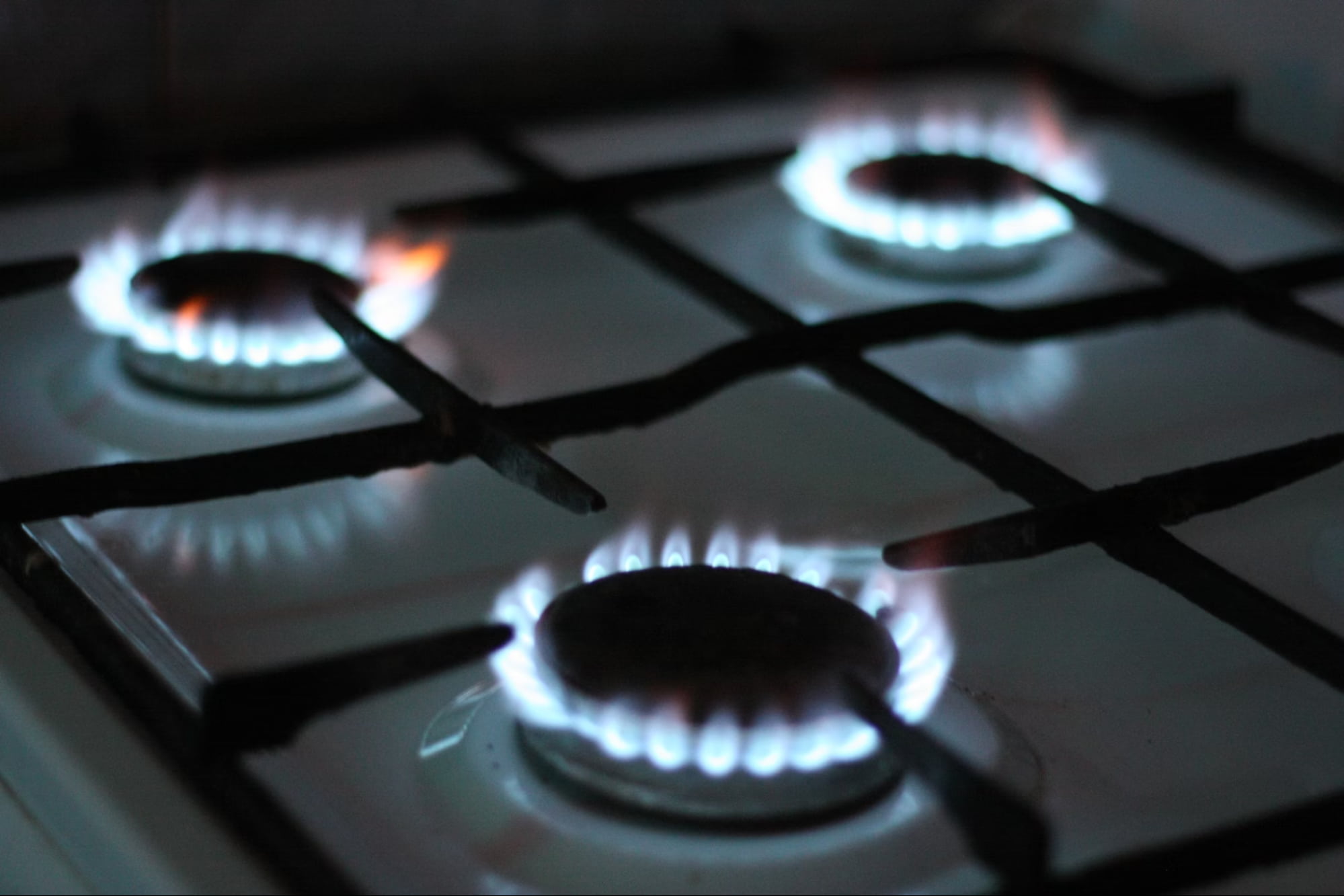
By understanding the causes and paying attention to the symptoms of possible CO poisoning, individuals can prevent dangerous circumstances. Minimal amounts of CO are produced within a home when fossil fuels like natural gas, fuel oil, propane, kerosene, wood, or charcoal are burned in appliances such as water heaters, furnaces, stoves, and space heaters.
However, when these appliances are used improperly or in a state of disrepair, CO levels can become dangerous and even deadly.
“By ensuring their fuel-burning appliances are maintained regularly and that performance or efficiency issues are dealt with immediately, individuals can help prevent this deadly gas from invading their homes,” says Rod Mysko, President of Custom Comfort Home Services your heating and cooling professionals Who Care.
The initial symptoms of CO poisoning are similar to the flu, but without the fever. In fact, many people with CO poisoning mistake their symptoms for the flu or are misdiagnosed by physicians. CO symptoms to watch for include:
- headache
- fatigue
- shortness of breath
- nausea
- dizziness

CO Safety Tips to Protect Your Family
- It is law in Ontario to install CO alarms outside sleeping areas.
- CO alarms are required by law to be replaced within the time frame indicated in the manufacturer’s instructions and/or on the label on the unit. Some new CO alarms offer sealed lithium batteries that last 10 years from activation.
- For optimal protection, install additional CO alarms on every floor of the home.
- Have a licensed technician inspect your fuel burning appliances annually, (eg. furnace, range, fireplace, water heater) to ensure they are in proper working order and vented correctly.
- For families with older parents or relatives, it is wise to help them inspect their CO alarms.
- CO alarms don’t last forever. They need to be replaced every 7-10 years.
- If your alarm goes off get everyone out of the house, stay out and call 911! Exposure to CO reduces your ability to think clearly, so never delay if your alarm goes off and you sense a problem.
- From www.Kidde.com (see below for complete link)
“It is recommended that homeowners have their fuel-burning appliances serviced at least once a year,” says Mysko, “and that’s a perfect opportunity to have CO levels checked as well.”
For more information on Carbon Monoxide prevention and detection, contact Custom Comfort Home Services at 705.722.5909 or visit www.customcomfort.ca.
FAQ
- How can I ensure carbon monoxide poisoning does not affect me when I am at home?
You can prevent CO poisoning by ensuring all your fuel-burning appliances, such as furnaces, stoves, and water heaters, are properly installed and regularly serviced.
- What are some early symptoms of carbon monoxide poisoning?
The first symptoms of CO poisoning usually mimic flu. They might include headache, fatigue, shortness of breath, and nausea or dizziness. But unlike the flu, poisoning with CO does not bring fever.
- How to detect Carbon Monoxide in my home?
CO can be detected only by a CO detector, which needs to be installed near all fuel-burning appliances and as well within 10 feet of all your bedrooms. Most new homes install one in every bedroom as well.
- At what interval must my fuel-burning appliances be serviced?
It is recommended that all your fuel-burning appliances, including furnaces and water heaters, be serviced annually. Ensure that you request the technician to check for CO levels during the servicing process to ensure they are within safe limits.
- What should I do if I suspect Carbon Monoxide poisoning?
If you suspect you have been poisoned with CO, leave the building quickly to get fresh air and call emergency services. Do not re-enter your home until it has been inspected and cleared by professionals.